Homeschool Curriculum Brainstorming and Determining Your Target Completion Date
My favorite thing to do! And I know I’m not the only one. This is when I see homeschool moms get really pumped up! This is the part where we decide what to teach.
Decide Your Main Resource (Spine/Curriculum)
List the subjects and resources you plan to use.
For each subject, I first identify the main resource we will follow. I write down everything I have considered using and then decide which to prioritize or remove.
Think of your main resource as the spine or the backbone of a subject. It’s the material you consistently return to, giving your homeschool direction and helping you know what to teach next. It could be a simple book, a curriculum, or a program.
In a Charlotte Mason homeschool, a spine doesn’t have to be a traditional textbook. It can be a living book or any carefully chosen material that serves as the central guide for a subject.
Just a reminder: don’t pressure yourself to choose a single educational camp.
Here’s an example of what I planned for Grade 1.
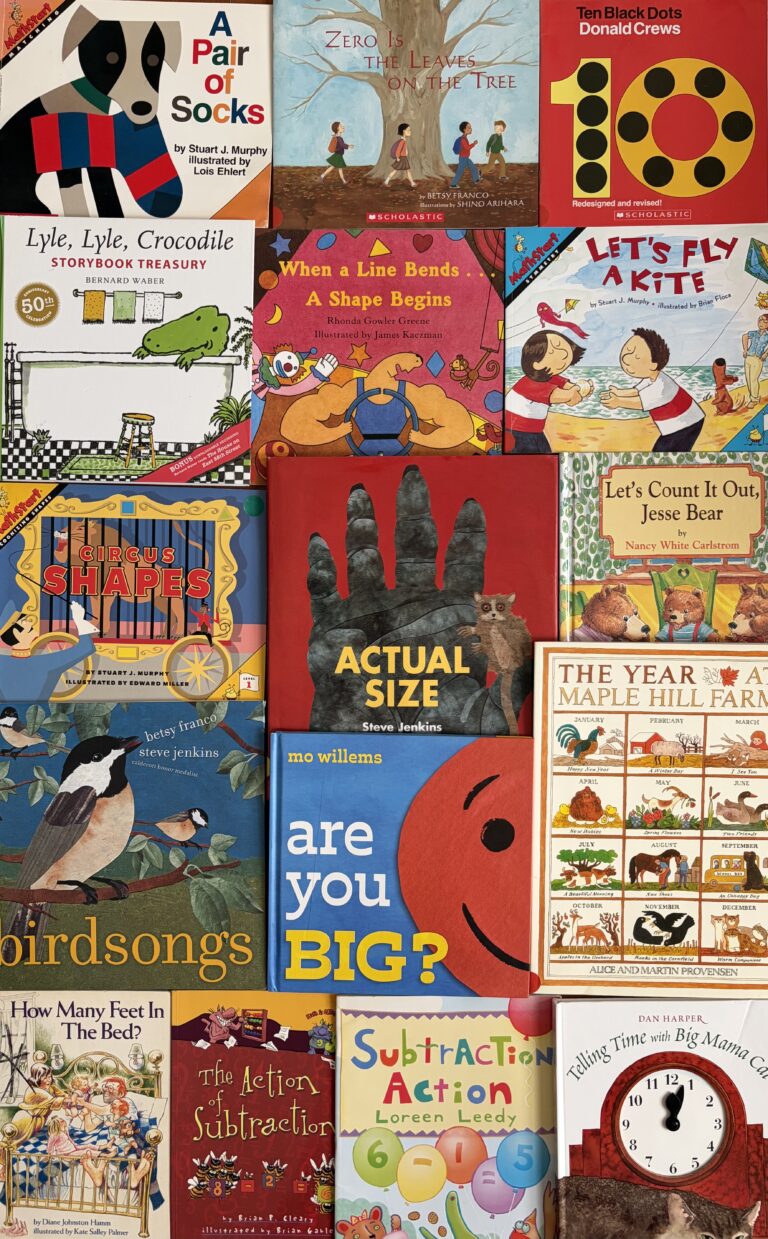
This doesn’t mean I won’t use picture books, documentaries, field trips, or hands-on activities. These resources are wonderful additions to enrich our learning, but they don’t replace the spine; they support it.
I also think long-term. I don’t just plan for this year. I map out the books and curriculum I might use in the coming years. It helps me build a cohesive learning journey instead of choosing resources one year at a time. Of course, those plans change as my child grows, but having a long-term vision helps me make better decisions today.
I’m sure things will change along the way, but every homeschool year has to start somewhere. This is our first plan.
Count the Lessons
Next, count the amount of work. Instead of guessing, write down the actual numbers. Or, like I do, simply flip through the materials and check how many lessons or chapters it has. From there, I can usually estimate how long we’ll be using it and whether it fits into our homeschool year.
For example:
- 120 math lessons
- 120 language arts
- 42 history chapters
- 100 grammar lessons
- 30 chapters to read for literature
Seeing the numbers removes a lot of uncertainty because now I know exactly what I’m working with.
Determine the Target Completion Date
Instead of starting from the first lesson and hoping we’ll eventually finish, I work backwards.
I decide when I want to complete the curriculum first. It might be before Christmas. Most subjects should be completed before my son’s birthday, or maybe the official end of the school year, or our summer break.
I don’t plot our schedules yet at this point. I don’t assign those lessons to specific dates yet. But this target completion date is my basis for Step 3: Scheduling. I do reverse-plan. Reverse planning tells me roughly how many lessons we need to complete each week to reach our goal. It gives me a realistic picture of the year before it even begins.
If the pace looks too fast, I know I have options to either:
- remove a resource,
- slow the pace,
- extend the completion date,
- or simply accept that we’ll continue into the next school year.
I’d rather see the possible problems in July than halfway through the school year.

After doing the Step 1 and this Step 2 of the planning phase, I no longer plot our schedules based on wishful thinking.
It doesn’t guarantee a perfect year. Life still happens, but it gives me a clear direction while leaving enough flexibility for curiosity, conversations, sick days, and everything else that comes with homeschooling.


One Comment